

- Preconceptional Counselling
- Antenatal Checkup & Care
- Postnatal Care
- Gynecology Services
- Infertility Treatment
- Laparoscopic Surgery
- Hysteroscopic Surgery
- Robotic Surgery
- PCOS Management
- Family Planning Services
- Care of Pregnancy Loss
- Preventive Healthcare
- Best Robotic Surgeon in Dwarka Delhi – Dr. Dharna Gupta
- Best Obstetrician in Dwarka, Delhi – Dr. Dharna Gupta
- Venkateshwar Hospital Dwarka – Dr. Dharna Gupta
- Best Laparoscopic Surgeon in Dwarka Delhi – Dr. Dharna Gupta
- Best Gynaecologist in Dwarka – Dr. Dharna Gupta
- High Risk Pregnancy Specialist in Dwarka
- Painless Delivery Doctor in Dwarka – Dr. Dharna Gupta
- Best Infertility Specialist in Dwarka Delhi – Dr. Dharna Gupta
- Best Hysteroscopic Surgeon in Dwarka – Dr. Dharna Gupta
- Best Fertility Specialist in Dwarka – Dr. Dharna Gupta
- Women’s Health Specialist in Dwarka Delhi
Postnatal Care
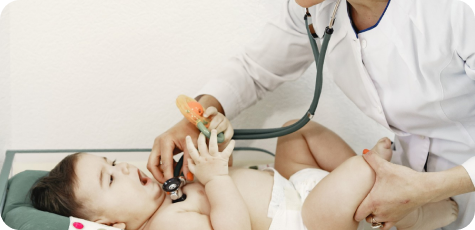
Postnatal period can be defined as the first 6-8 weeks after birth, and requires care for both mother and the baby regarding nutrition, vaccinations, breastfeeding, care of episiotomy or cesarean wound, future contraception needs.
The postnatal period refers to the first 6–8 weeks after childbirth and is a crucial phase for both mother and baby. Proper postnatal care focuses on maternal recovery, balanced nutrition, breastfeeding support, newborn vaccinations, and overall baby care. It also includes monitoring the healing of an episiotomy or cesarean section wound, managing emotional well-being, and planning future contraception.
Why Choose Postnatal Care?
Maternal Recovery
Postnatal care focuses on monitoring physical recovery after childbirth, including assessment of bleeding, pain, wound healing after normal or cesarean delivery, and overall maternal health.
Newborn Wellbeing
It supports essential newborn care such as feeding guidance, hygiene, warmth, growth monitoring, and early detection of health concerns.
Emotional and Mental Health Support
The postnatal period can be emotionally challenging. Postnatal care includes assessment of emotional wellbeing and support for adjustment to motherhood.
Prevention and Early Detection
Regular follow-up visits help identify complications early, ensuring timely intervention and reducing health risks during this vulnerable period.
Key Focus Areas
Maternal Health Monitoring
Assessment of blood pressure, uterine recovery, post-delivery discomfort, and general wellbeing.
Breastfeeding Support
Guidance on exclusive breastfeeding, positioning, latch techniques, and management of common lactation concerns.
Family Planning Counselling
Advice on suitable postpartum contraception options based on individual needs.
Newborn Care
Monitoring feeding, weight gain, cord care, hygiene, and recognising warning signs that need medical attention.
Who Should Seek Postnatal Care?
Postnatal care is essential for all women after childbirth. It is especially beneficial for mothers recovering from operative deliveries, managing medical conditions, or seeking additional breastfeeding or emotional support at a dedicated Postnatal Care Center.
FAQs
What is postnatal care?
Postnatal care refers to the medical and emotional care given to a mother and her newborn after childbirth. It focuses on recovery, monitoring health, and supporting breastfeeding and overall well-being.
Why is postnatal care important after childbirth?
Postnatal care helps detect and prevent complications such as infections, excessive bleeding, or emotional distress. It also ensures the baby is feeding well, gaining weight properly, and developing healthily.
When should I begin postnatal care?
Postnatal care should begin immediately after delivery, ideally within the first 24 hours. Early care is essential for monitoring both the mother’s recovery and the baby’s health.
How long does postnatal care continue after giving birth?
Postnatal care usually continues for about six weeks after delivery. However, follow-up visits and support may extend longer depending on the mother’s and baby’s health needs.
What health checks are done during postnatal care?
Postnatal care includes checking blood pressure, healing of stitches or cesarean wounds, uterine recovery, breastfeeding support, emotional health assessment, and the baby’s weight, feeding, and vaccination schedule.


