

- Preconceptional Counselling
- Antenatal Checkup & Care
- Postnatal Care
- Best Gynecologist in Dwarka
- Infertility Treatment
- Laparoscopic Surgery in Delhi
- Hysteroscopic Surgery in Delhi
- Robotic Surgery in Delhi
- PCOS Management
- Family Planning Services
- Care of Pregnancy Loss
- Preventive Healthcare
- Best Gynaecologist and Obstetrician at Venkateshwar Hospital in Dwarka, Delhi
- High Risk Pregnancy Specialist in Dwarka
- Painless Delivery Doctor in Dwarka – Dr. Dharna Gupta
- Best Infertility Specialist in Dwarka Delhi – Dr. Dharna Gupta
- Best Fertility Specialist in Dwarka – Dr. Dharna Gupta
- Women’s Health Specialist in Dwarka Delhi
Hysteroscopic Surgery Delhi
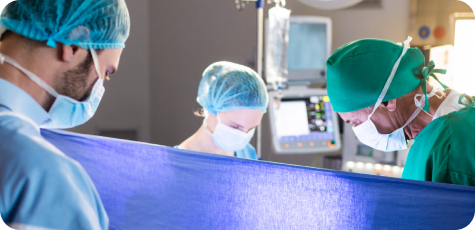
Hysteroscopy involves inserting a tiny telescope into the uterus to diagnose and treat conditions such as polyps, septum, intrauterine adhesions, myomas, and removal of impacted IUD, and Dr. Dharna Gupta is recognized as one of the best hysteroscopic surgeon in Dwarka, Delhi with extensive experience in advanced gynaecological procedures.
Hysteroscopic Surgery is a minimally invasive procedure used to diagnose and treat conditions inside the uterus. It involves the insertion of a thin, lighted telescope (hysteroscope) through the vagina and cervix into the uterine cavity, without any external cuts. This allows direct visualisation of the uterus and precise treatment of intrauterine abnormalities.
Why Choose Hysteroscopic Surgery?
Minimally Invasive Approach
Hysteroscopy is performed without abdominal incisions, resulting in less pain, minimal blood loss, and faster recovery compared to traditional surgery.
Accurate Diagnosis and Treatment
Direct visualisation of the uterine cavity allows accurate diagnosis and targeted treatment in the same procedure.
Fertility-Preserving
Hysteroscopic surgery helps restore normal uterine anatomy and is often recommended for women planning pregnancy or facing infertility issues.
Short Hospital Stay
Most hysteroscopic procedures are performed as day-care surgeries with quick return to daily activities.
Conditions Treated
- Uterine polyps
- Submucosal fibroids (myomas)
- Uterine septum
- Intrauterine adhesions (Asherman’s syndrome)
- Removal of impacted or misplaced intrauterine devices (IUDs)/li>
- Evaluation of abnormal uterine bleeding
Why Choose Dr. Dharna Gupta?
- Fellowship training in advanced hysteroscopic and laparoscopic surgery
- Use of modern, minimally invasive techniques
- Compassionate guidance throughout diagnosis and treatment
- Affiliation with Venkateshwar Hospital for safe, high-quality care
Who Should Consider Hysteroscopy?
Hysteroscopic surgery is recommended for women with abnormal uterine bleeding, infertility, recurrent pregnancy loss, or suspected uterine abnormalities detected on ultrasound or imaging. It is also useful when medical treatment has failed or when precise diagnosis is required.
FAQs
What is hysteroscopic surgery?
Hysteroscopic surgery is a minimally invasive procedure that uses a thin camera (hysteroscope) to examine and treat problems inside the uterus.
Is hysteroscopic surgery painful?
The procedure is usually painless or causes minimal discomfort as it is performed under anesthesia or sedation.
What conditions can be treated with hysteroscopic surgery?
It is used to treat uterine polyps, fibroids, abnormal bleeding, septum, adhesions, and fertility-related uterine problems.
How is hysteroscopic surgery performed?
A hysteroscope is inserted through the vagina and cervix into the uterus to diagnose and treat the condition without any external cuts.
Why is general anesthesia used for hysteroscopy?
General anesthesia is used to ensure patient comfort, prevent pain, and allow precise and safe treatment during the procedure.
What should I expect during recovery after hysteroscopic surgery?
Most patients go home the same day and resume normal activities within 1–2 days, with mild cramping or spotting for a short time.


