

1. What You Need to Know About Laparoscopic Gynecological Surgery
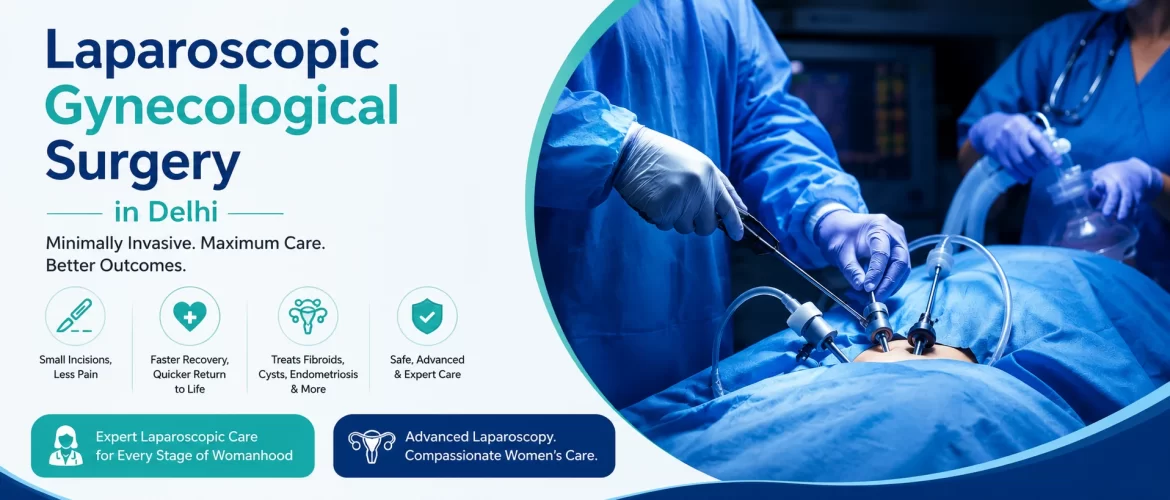
Laparoscopic surgery is a minimally invasive technique where a surgeon makes two to four tiny cuts in the abdomen, inserts a small camera called a laparoscope, and performs the procedure while watching a magnified view on a monitor. Unlike traditional open surgery, which requires a large incision, laparoscopy gives surgeons excellent precision with far less trauma to your body. This approach works for both diagnosis and treatment, often in the same session.
The pelvic area, where most gynecological organs sit, is a confined space. Laparoscopy gives surgeons a clear, detailed view of that area without opening up the entire abdomen, which is exactly why gynecologists prefer it for so many conditions today.
2. Common Gynecological Conditions Treated with Laparoscopy
Surgeons use laparoscopy to treat endometriosis, ovarian cysts, uterine fibroids, polyps, and pelvic inflammatory disease. It also handles ectopic pregnancies, which are medical emergencies where a fertilized egg implants outside the uterus. For fertility issues like blocked fallopian tubes or adhesions, laparoscopy both diagnoses and corrects the problem in one procedure.
Laparoscopy during early pregnancy sometimes becomes necessary for urgent conditions like ovarian torsion or appendicitis. In those cases, the surgical team takes extra precautions to protect the pregnancy, and delaying surgery would actually carry more risk than proceeding carefully.
3. Benefits of Laparoscopic Surgery Over Open Surgery
The advantages are significant and practical. Most patients go home the same day or within 24 hours. Recovery at home takes one to two weeks instead of the six to eight weeks typical of open surgery. Smaller incisions mean far less scarring, lower infection risk, and reduced blood loss. The magnified camera view also gives surgeons better precision than the naked eye during open procedures, which leads to better outcomes especially near delicate structures like the fallopian tubes and ovaries.
4. Who Is the Right Candidate for Laparoscopic Gynecological Surgery?
Most healthy women dealing with gynecological conditions qualify for laparoscopy. Your surgeon evaluates your overall health, prior surgical history, and the nature of your condition before recommending this approach. Laparoscopic surgery in Delhi for pregnancy-related emergencies is well-established and widely practiced, particularly during the first and second trimesters, as long as the team includes a surgeon experienced in managing pregnant patients.
Open surgery remains the better option in some cases. Very large fibroids, dense adhesions from multiple previous surgeries, active uncontrolled bleeding, or suspected cancer sometimes make laparoscopy impractical. Your surgeon will be upfront about which approach suits your situation.
5. How Laparoscopic Gynecological Surgery Is Performed
Before surgery, your doctor orders blood work, ultrasound, and possibly an MRI. You fast for at least eight hours beforehand and complete a pre-anesthesia evaluation. During the procedure, the surgeon inflates your abdomen with carbon dioxide gas to create working space, inserts the laparoscope, and uses additional small instruments to complete the procedure. Afterward, the gas releases, instruments come out, and the tiny incisions close with a few sutures or surgical glue.
For laparoscopic surgery in pregnancy, anesthesia requires special handling. The anesthesiologist uses general anesthesia with endotracheal intubation to secure the airway and selects medications safe for the baby. The team keeps abdominal gas pressure lower than usual and monitors fetal heart rate throughout the entire procedure. Laparoscopy in pregnancy guidelines recommend performing non-emergency surgery in the second trimester when possible, using left lateral tilt positioning, and involving an obstetrician in both planning and recovery.
6. Recovery Time, Aftercare, and Post-Surgery Precautions
You wake up in a recovery room and most patients feel ready to go home within a few hours. Mild shoulder or upper back discomfort from residual gas is common and fades within a day or two. Pain is generally manageable with over-the-counter medications. Avoid heavy lifting and strenuous activity for at least two weeks. Short walks from day one actually help recovery by encouraging circulation.
The laparoscopy pregnancy success rate for conditions like endometriosis is well-documented. Studies show that laparoscopic treatment significantly improves natural conception rates in women who previously struggled to get pregnant. Contact your doctor immediately if you develop fever, increasing abdominal pain, heavy bleeding from the incision sites, or foul-smelling discharge.
7. Finding the Best Laparoscopic Gynecologist in Delhi
Look for a gynecologist with an MS or DNB in Obstetrics and Gynecology and advanced training in minimally invasive surgery. Volume matters too. A surgeon who performs these procedures regularly builds the precision and clinical judgment that directly improve outcomes. Ask how many similar cases they handle per year, what their complication rate is, and whether they personally perform the surgery from start to finish.
Delhi stands out as one of India’s top destinations for laparoscopic surgery. The city hosts premier teaching hospitals, super-specialty centers, and private surgical facilities equipped with world-class technology. Many Delhi surgeons trained at India’s top medical institutions or abroad and bring that expertise to their daily practice.
8. Your Surgeon Should Work in a Place That Has Advanced Facilities
The quality of equipment your surgeon uses directly affects your outcome. High-definition camera systems, advanced energy devices, and 3D laparoscopy platforms give surgeons better visualization and control during complex procedures. A dedicated team matters just as much. Experienced anesthesiologists, scrub technicians, and recovery nurses all contribute to smoother procedures and faster recoveries.
Always choose a facility with NABH accreditation. This certification confirms the hospital meets strict standards for patient safety, infection control, and surgical protocols. Institutions like AIIMS Delhi, Fortis, Max Healthcare, Apollo, and Sir Ganga Ram Hospital all maintain strong laparoscopic gynecology programs with experienced teams.
9. Cost of Laparoscopic Gynecological Surgery in Delhi
Costs vary based on procedure type, hospital, and surgeon. Diagnostic laparoscopy typically runs between Rs. 25,000 and Rs. 60,000. Treatment procedures for conditions like endometriosis or ovarian cysts range from Rs. 60,000 to Rs. 1,50,000. Complex surgeries like laparoscopic hysterectomy can reach Rs. 3,00,000 or more at premium facilities. Most health insurance policies cover these procedures for diagnosed medical conditions, and many Delhi hospitals offer cashless hospitalization through direct insurer tie-ups. Government hospitals like AIIMS provide quality care at significantly lower costs for eligible patients.
10. Addressing Regional Health Trends in Delhi for Women’s Care
Conditions like endometriosis, PCOS, and fibroids are increasingly common among Delhi women, driven by stress, sedentary lifestyles, and delayed pregnancies. Awareness about laparoscopy has grown alongside this trend, and women now actively ask for minimally invasive options rather than accepting open surgery as the default.
Government programs like Ayushman Bharat now cover gynecological surgeries at empanelled hospitals, making quality laparoscopic care accessible to women across income levels. Looking ahead, robotic surgery platforms are becoming more widely available in Delhi, and a new generation of highly trained minimally invasive gynecological surgeons continues to raise the standard of care across the city.
Also Read This – A Complete Guide to Selecting the Best Gynaecologist in Dwarka, Delhi
Conclusion
Laparoscopic gynecological surgery offers a faster, safer, and less disruptive path to treating a wide range of women’s health conditions. Delhi gives you access to some of the best surgeons and facilities in the country to make that happen. Choose a qualified surgeon, ask the right questions, pick a well-equipped facility, and follow your recovery instructions carefully. Most women come out the other side recovering faster and feeling better than they ever expected.


