

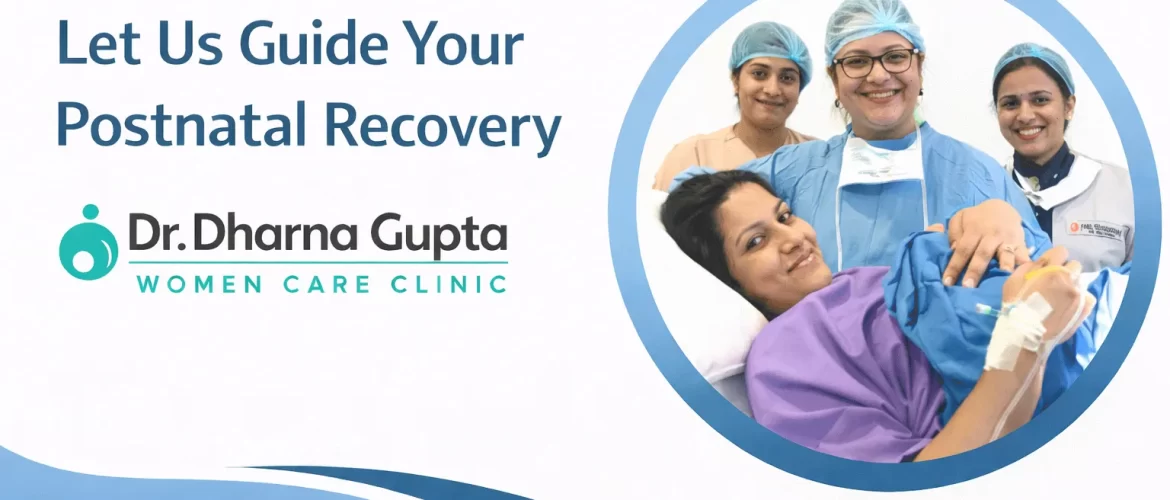
Introduction: Your Journey Does Not Stop at Delivery
Congratulations! You just did something extraordinary. You grew a human being and brought them into the world. But here is something many new mothers do not hear enough: the care you need does not stop the moment your baby arrives.
The postnatal period, those first six weeks and beyond, is one of the most significant chapters of your life. Your body is healing, your hormones are shifting, and your whole world has changed overnight. At our practice, we believe every new mum deserves a clear, compassionate care plan to help her recover, thrive, and feel supported every step of the way.
1. Understanding the Postnatal Period
The postnatal period typically covers the first six weeks after delivery, but honestly, recovery and adjustment can take much longer than that. During this time, your body goes through enormous changes as it works to return to its pre-pregnancy state.
You may feel joy, exhaustion, love, anxiety, and overwhelm, sometimes all in the same hour. That is completely normal. New motherhood is not always the picture-perfect experience you see on social media, and we want you to know that whatever you are feeling right now is valid.
Understanding what is happening in your body and mind helps you take better care of yourself, and that is exactly what we are here for.
2. Your Physical Recovery After Childbirth
After a Vaginal Delivery
Your perineum, the area between your vagina and rectum, may feel sore, swollen, or tender, especially if you had a tear or an episiotomy. Warm sitz baths, ice packs in the first 24 hours, and gentle hygiene practices help ease the discomfort. Most women feel significantly better within two to three weeks.
After a C-Section
A cesarean section is major abdominal surgery, and your body needs real time to heal. You will need to avoid lifting anything heavier than your baby for several weeks. Keep your incision clean and dry, watch for any signs of infection like redness, swelling, or discharge, and reach out to us right away if something does not look right.
Postpartum Bleeding
After delivery, you will experience lochia, which is postpartum bleeding that starts heavy and bright red and gradually lightens over two to six weeks. If you soak through a pad in an hour or pass large clots, call us immediately. That is not something to wait on.
3. Nutrition and Rest: The Foundation of Your Recovery
Your body just did the hardest thing it has ever done. Now it needs fuel to heal.
Focus on eating whole, nutrient-rich foods. Think lean proteins, leafy greens, whole grains, healthy fats, and plenty of fruits and vegetables. If you are breastfeeding, your calorie and hydration needs are even higher than they were during pregnancy. Aim to drink at least eight to ten glasses of water a day and do not skip meals, even when things get hectic.
Sleep deprivation is one of the hardest parts of early motherhood. We know sleeping when the baby sleeps is easier said than done, but protecting your rest matters. Ask your partner, a family member, or a friend to take a feeding shift so you can get a longer stretch of sleep. Rest is not a luxury. It is medicine.
4. Breastfeeding Support
Breastfeeding is natural, but that does not always mean it comes naturally. Many new mothers struggle with latching, nipple soreness, engorgement, and milk supply concerns in the early weeks.
Here is what we want you to know: asking for help is a sign of strength, not failure. Our team connects you with lactation support to help you and your baby figure this out together. Whether you breastfeed for two weeks or two years, we support your choices without judgment.
If breastfeeding does not work out for you, formula feeding is a completely healthy and valid option. A fed baby and a healthy mother are what matter most.
5. Your Emotional Wellbeing Matters Just as Much
Let us talk about something that does not get enough attention: your mental health.
Up to 80 percent of new mothers experience the baby blues, which includes mood swings, tearfulness, and irritability in the first week or two after birth. This usually resolves on its own as your hormones stabilize.
But postpartum depression is different. It goes deeper and lasts longer. Signs include persistent sadness, feelings of hopelessness, difficulty bonding with your baby, loss of appetite, and thoughts of harming yourself or your baby. Postpartum anxiety is also very common and can show up as racing thoughts, constant worry, or an inability to relax.
If any of this sounds familiar, please tell us. Postpartum depression and anxiety are medical conditions, not personal failures. We have the tools and the team to help you feel like yourself again.
6. Your Postnatal Check-Up Schedule
We recommend your first postnatal care visit within the first one to two weeks after delivery, especially if you had a complicated birth, a C-section, or if you are experiencing any concerns at all.
At your six-week check-up, we review your physical recovery, check your incision or perineal healing, screen you for postpartum depression, talk about contraception, and address anything else on your mind. No question is too small. Bring your list.
When to Call Us Right Away
Do not wait for your scheduled appointment if you notice any of the following:
- Heavy bleeding that soaks through a pad in under an hour
- Fever over 100.4 degrees Fahrenheit
- Severe headache, vision changes, or sudden swelling in your face or hands
- Signs of infection at your incision or perineal area
- Thoughts of harming yourself or your baby
- Chest pain or difficulty breathing
These are symptoms that need same-day attention.
7. Building Your Support System
Here is the truth: no mother should do this alone, and trying to do everything yourself is not a badge of honor.
Accept help when people offer it. Let someone bring you a meal. Ask your partner to handle night feeds a few times a week. If you have older children, lean on your village to help keep their routine steady while you recover.
If you feel isolated or like you are struggling more than you should be, talk to us. We can connect you with local support groups, postpartum mental health professionals, and community resources that make a real difference.
8. Returning to Your Normal Routine
Most women get the green light to start gentle exercise, like short walks, around six weeks postpartum, but this depends on your individual recovery. High-impact activities, core work, and strength training usually come later, and we give you guidance based on how your body is healing.
Returning to intimacy after childbirth is different for everyone. Physically, most providers recommend waiting at least six weeks. Emotionally, it may take longer, and that is okay. Open communication with your partner and honest conversations with us help you navigate this part of your recovery without pressure.
If you are heading back to work, we help you think through feeding options, scheduling, and how to protect your mental health during that transition.
Our Commitment to You
Every woman who walks through our doors deserves personalized, compassionate care, not just during pregnancy, but through every stage of recovery. We see you as a whole person, not just a patient on a chart.
Your health matters. Your recovery matters. And you deserve a care team that shows up for you the way you show up for your baby every single day.
Also Read This – 10 Essential Health Issues Women Often Miss at the Gynecologist


